Camille
Chapter 4: The Colors Disappear
Camille notices that the magical colors of her creations are starting to disappear. Why doesn't the magic last? She will have to search for answers and uncover an unexpected secret.
Reading difficulty
A few weeks later, Camille passes by the park on her way to school. She notices something disturbing: the colors of the benches are beginning to fade, and the magical flowers are losing their brightness.

She stops, worried. "It's not possible..." she murmurs, approaching a bench. The bright colors she had applied have faded, and the flowers look withered.
After school, she returns to the park with her sketchbook and paints. She tries to repaint, but the effect only lasts a few moments. The benches become dull again.
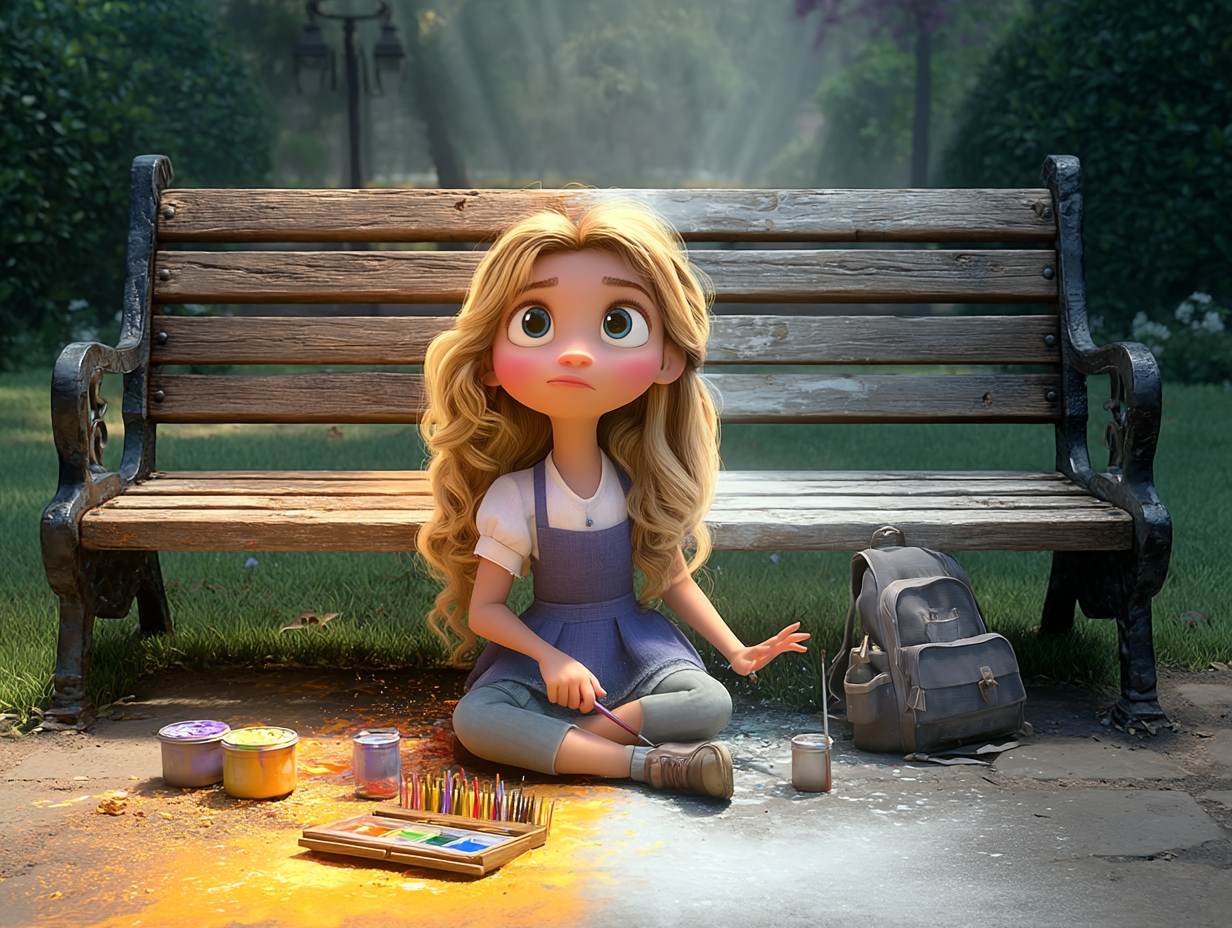
Frustrated, she closes her box. Why aren't her paints working anymore?
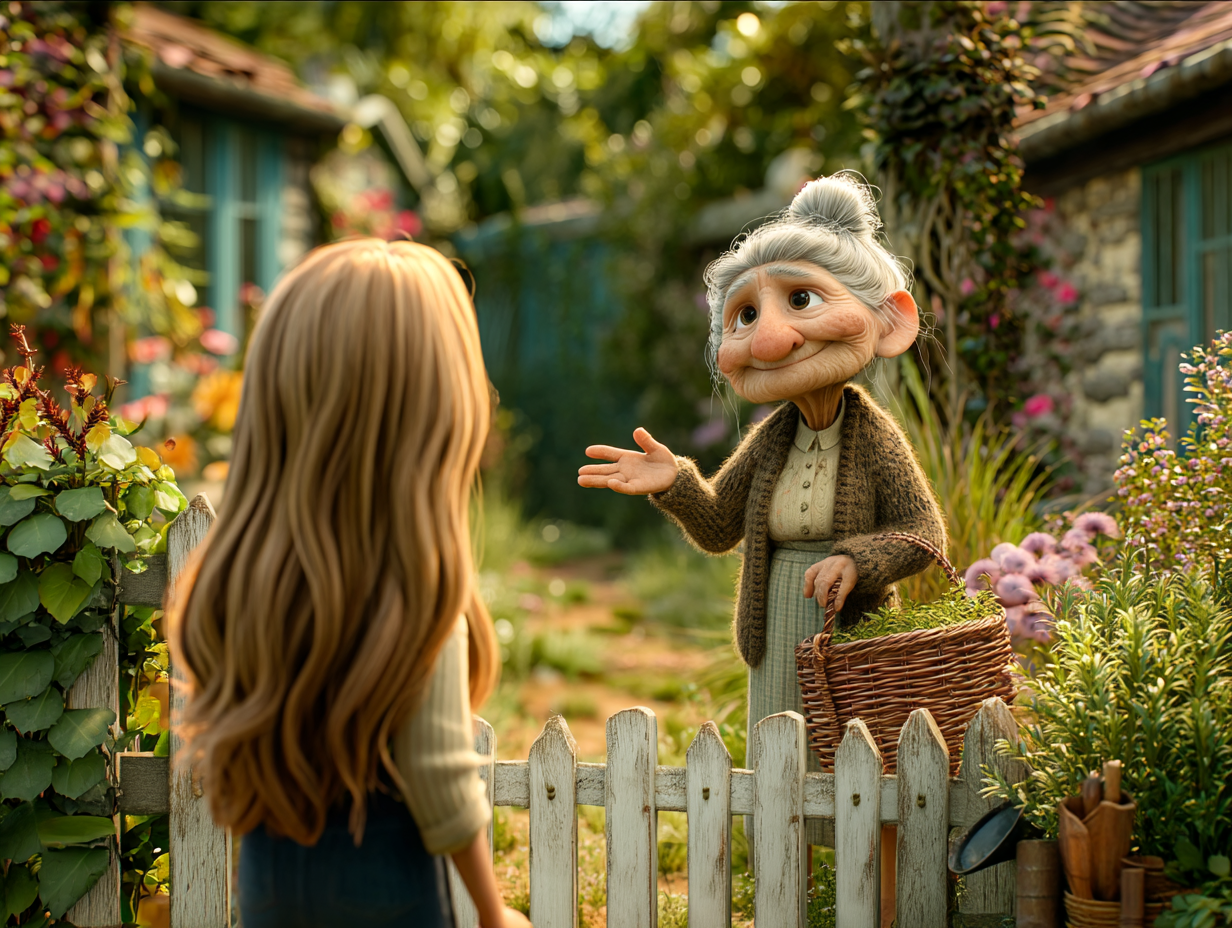
Upon returning home, Camille finds Madame Rousseau in her garden. The old lady notices her preoccupied expression. "You seem to have something on your mind, my dear."
Camille explained the problem to her. Madame Rousseau smiled gently. "The magic isn't just in what you paint. It also comes from your heart and the attention you give to what you create."
In her room, Camille rereads the notebook and discovers a note: "Beauty is maintained with care. True magic comes from love and effort."

She understands! The next day, she gathers her friends. "If we take care of the park, it will remain beautiful." They all set to work together.
She stops, worried. "It's not possible..." she murmurs, approaching a bench. The bright colors she had applied have faded, and the flowers look withered.
After school, she returns to the park with her sketchbook and paints. She tries to repaint, but the effect only lasts a few moments. The benches become dull again.
Frustrated, she closes her box. Why aren't her paints working anymore?
Upon returning home, Camille finds Madame Rousseau in her garden. The old lady notices her preoccupied expression. "You seem to have something on your mind, my dear."
Camille explained the problem to her. Madame Rousseau smiled gently. "The magic isn't just in what you paint. It also comes from your heart and the attention you give to what you create."
In her room, Camille rereads the notebook and discovers a note: "Beauty is maintained with care. True magic comes from love and effort."
She understands! The next day, she gathers her friends. "If we take care of the park, it will remain beautiful." They all set to work together.
A few weeks after the park's transformation, Camille is delighted to see that more and more people are coming to enjoy the place. Children play on the colorful benches, the flowers attract butterflies, and everything seems perfect.
But one morning, while passing the park on her way to school, she noticed something disturbing: the colors of the benches were beginning to fade, and the magical flowers she had painted were losing their brightness. They no longer shone like before.
Camille stops abruptly. "It's not possible..." she murmurs as she approaches a bench.
She ran her hand over the wood. The vibrant colors she had so carefully applied had faded. The magical flowers seemed withered, as if the magic had dissipated overnight. A feeling of unease rose within her. What had happened?
She continues on her way to school, but she can't stop thinking about the park all day. In class, she's distracted. Even during recess, she remains silent, lost in her thoughts.
After school, she returns to the park with her notebook and her magic paints. She sits down in front of a faded bench and opens her box. She takes a brush, dips the tip in the gold paint, and begins to trace the colors onto the wood.
At first, the bench comes back to life. The colors become bright and vibrant again. Camille smiles, relieved. But a few minutes later, the colors begin to fade again. In a few moments, the bench becomes dull once more, as if the paint refuses to adhere.
Camille tries again, and again. But each time, it's the same thing. The colors don't last. Frustrated, she closes her box with a sigh. Why aren't her paints working like they used to? What did she do wrong?
On her way home, she passed by Madame Rousseau's house. The old lady was in her garden, picking herbs. She looked up and noticed Camille's worried expression.
"You seem to have something on your mind, my dear. What's going on?"
Camille hesitated for a moment, then decided to talk to him. "The colors I painted in the park are disappearing. I don't understand why. Before, they lasted much longer. Now, they fade almost immediately."
Madame Rousseau puts down her basket and thinks for a moment. Then she replies softly: "Perhaps the magic of your paintings is not eternal. Perhaps it depends on something you do or feel."
Camille frowned. "What do you mean?"
The old woman smiled. "The magic isn't just in what you paint, Camille. It also comes from your intention, your heart, and the attention you give to what you create. Perhaps these paintings are just a tool, and their power depends on you."
Camille returns home, lost in thought. She goes up to her room and takes out the notebook she found with the paintings. She leafs through it slowly, searching for answers. And suddenly, she discovers a handwritten note, hidden on the last page, that she hadn't noticed before: "Beauty is maintained with care. True magic comes from love and effort."
Camille read and reread these words. She began to understand. The park had become beautiful thanks to her paintings, that was true. But it had also become beautiful thanks to the work she and her friends had done together: cleaning, planting, repainting. Without maintenance, without effort, the colors could not last.
The next morning, Camille gathers her friends before school. She explains to them what she has understood.The colors are fading, but it's not the end. If we take care of the park and continue to beautify it, it will remain beautiful. Magic is also what we create with our hands.
His friends enthusiastically approve. They all set to work: repainting the benches with real paint, planting new flowers, watering the existing ones, and cleaning the walkways again.
This time, Camille uses her magic paints more carefully. She now knows that the real secret lies not only in the box, but in everyone's constant efforts.
But one morning, while passing the park on her way to school, she noticed something disturbing: the colors of the benches were beginning to fade, and the magical flowers she had painted were losing their brightness. They no longer shone like before.
Camille stops abruptly. "It's not possible..." she murmurs as she approaches a bench.
She ran her hand over the wood. The vibrant colors she had so carefully applied had faded. The magical flowers seemed withered, as if the magic had dissipated overnight. A feeling of unease rose within her. What had happened?
She continues on her way to school, but she can't stop thinking about the park all day. In class, she's distracted. Even during recess, she remains silent, lost in her thoughts.
After school, she returns to the park with her notebook and her magic paints. She sits down in front of a faded bench and opens her box. She takes a brush, dips the tip in the gold paint, and begins to trace the colors onto the wood.
At first, the bench comes back to life. The colors become bright and vibrant again. Camille smiles, relieved. But a few minutes later, the colors begin to fade again. In a few moments, the bench becomes dull once more, as if the paint refuses to adhere.
Camille tries again, and again. But each time, it's the same thing. The colors don't last. Frustrated, she closes her box with a sigh. Why aren't her paints working like they used to? What did she do wrong?
On her way home, she passed by Madame Rousseau's house. The old lady was in her garden, picking herbs. She looked up and noticed Camille's worried expression.
"You seem to have something on your mind, my dear. What's going on?"
Camille hesitated for a moment, then decided to talk to him. "The colors I painted in the park are disappearing. I don't understand why. Before, they lasted much longer. Now, they fade almost immediately."
Madame Rousseau puts down her basket and thinks for a moment. Then she replies softly: "Perhaps the magic of your paintings is not eternal. Perhaps it depends on something you do or feel."
Camille frowned. "What do you mean?"
The old woman smiled. "The magic isn't just in what you paint, Camille. It also comes from your intention, your heart, and the attention you give to what you create. Perhaps these paintings are just a tool, and their power depends on you."
Camille returns home, lost in thought. She goes up to her room and takes out the notebook she found with the paintings. She leafs through it slowly, searching for answers. And suddenly, she discovers a handwritten note, hidden on the last page, that she hadn't noticed before: "Beauty is maintained with care. True magic comes from love and effort."
Camille read and reread these words. She began to understand. The park had become beautiful thanks to her paintings, that was true. But it had also become beautiful thanks to the work she and her friends had done together: cleaning, planting, repainting. Without maintenance, without effort, the colors could not last.
The next morning, Camille gathers her friends before school. She explains to them what she has understood.The colors are fading, but it's not the end. If we take care of the park and continue to beautify it, it will remain beautiful. Magic is also what we create with our hands.
His friends enthusiastically approve. They all set to work: repainting the benches with real paint, planting new flowers, watering the existing ones, and cleaning the walkways again.
This time, Camille uses her magic paints more carefully. She now knows that the real secret lies not only in the box, but in everyone's constant efforts.
A few weeks after the park's transformation, Camille is delighted to see more and more people coming to enjoy it. Children play happily on the colorful benches, the flowers she painted attract butterflies and bees, and everything seems perfect. The park has become a vibrant place, a place where families stroll, where the elderly sit to read, and where young people meet up after school.
But one morning, while walking past the park on her way to school, Camille noticed something unsettling. She stopped, intrigued. The colors of the benches were beginning to fade. The vibrant red that had burst forth in the sunlight was now paler, almost pinkish. The deep blue of the flowers painted on the walls had lost its intensity. And most of all, the magical flowers she had brought to life with her paints were losing their luster. They no longer shone as brightly as before. Some even seemed to be wilting.
Camille stops abruptly in front of a bench. "It's not possible..." she murmurs as she approaches.
She ran her hand over the painted wood. The vibrant colors she had applied with such care and enthusiasm had faded, as if washed away by an invisible rain. The magical flowers, once so vibrant, now seemed withered, as if the magic that animated them had dissipated overnight. A feeling of unease rose within her, gripping her heart. What had happened? Had she done something wrong?
She continues on her way to school, but she can't stop thinking about the park all day. In class, she's distracted. The teacher asks her a question, but Camille doesn't hear her. She stares out the window, lost in thought. Even during recess, she remains silent, sitting on a bench, her mind elsewhere. Her friends ask her what's wrong, but she doesn't know what to say.
After school, instead of going straight home, Camille returns to the park with her notebook and her magic paints. She wants to understand. She wants to fix what seems to have broken. She sits down in front of a faded bench, puts her backpack on the ground, and carefully opens her paint set.
She takes a paintbrush, dips the tip into the softly shimmering gold paint, and begins to repaint the wood of the bench. At first, everything seems to work. The bench comes back to life before her eyes. The colors become vivid, vibrant, almost luminous. Camille smiles, relieved. "It's still working," she thinks.
But a few minutes later, as she steps back to admire her work, she notices that the colors are already beginning to fade again. Slowly but surely. In a few moments, the bench becomes dull again, almost gray, as if the paint refuses to adhere, as if it's sliding off the wood without sticking.
Camille frowned. She tried again, and again. She applied several coats, changed colors, used more paint. But each time, it was the same. The colors didn't last. They faded as quickly as she applied them. Frustrated, Camille closed her paint set with a sigh. She felt tears welling up. Why weren't her paints working like they used to? What had she done wrong? Had she lost her power?
She packed her things and went home, head bowed, heart heavy. As she passed Madame Rousseau's house, she caught sight of the old woman in her garden. Madame Rousseau was picking herbs, a wicker basket over her arm. She looked up and immediately noticed Camille's worried expression.
"You seem to have something on your mind, my dear. What's going on?"" she asks gently.
Camille hesitated for a moment. She wasn't sure she wanted to talk about it. But Madame Rousseau had always been kind to her, and she seemed to understand a lot. So Camille approached and decided to talk to her.
"The colors I painted in the park are disappearing. I don't understand why. They used to last much longer. Now they fade almost immediately. I tried repainting, but it doesn't work."
Madame Rousseau sets her basket on the ground and reflects for a moment, her gaze lost in the distance. Then she calmly replies: "Perhaps the magic of your paintings is not eternal, Camille. Perhaps it depends on something you do or feel."
Camille frowned, intrigued. "What do you mean?"
The old woman smiled gently, tenderness in her eyes. "The magic isn't just in what you paint, Camille. It also comes from your intention, your heart, and the attention you give to what you create. Perhaps these paintings are just a tool, and their power depends on you. But also on what you do with them afterwards."
Camille listens attentively, but she doesn't quite understand yet. Madame Rousseau continues: "Think about it. When you transformed the park, you put your whole heart into it. You spent time on it, you worked on it with your friends. But since then, have you continued to take care of it?"
Camille lowers her eyes. It's true. For the past few weeks, she's walked past the park without really paying attention. She was pleased that everything was beautiful, but she hadn't gone back to check, to maintain it.
Madame Rousseau placed a hand on his shoulder. "Beauty, like a garden, needs care. It doesn't last on its own."
Camille returns home, lost in thought. She goes up to her room, turns on her bedside lamp, and takes out the notebook she found with the magic paints. She leafs through it slowly, searching for answers, hoping to find an explanation, a forgotten secret.
And suddenly, as she turned the last page, she discovered a handwritten note, hidden in a corner, that she hadn't noticed before. The ink was a little faded, but the words were clear: "Beauty is maintained with care. True magic comes from love and effort."
Camille read and reread these words several times. Each time, they made more sense. She began to understand. The park had become beautiful thanks to its magical paintings, that was true. But it had also become beautiful thanks to the work she and her friends had done together: cleaning the paths, picking up litter, pulling weeds, repainting the benches. It was a joint effort, a collective work. Without maintenance, without regular effort, without attention to what had been created, the colors could not last. Magic alone was not enough.
She closes the notebook and looks out the window towards the park in the distance. She now knows what she must do.
The next morning, before school, Camille gathers her friends in the courtyard. She explains what she has understood. "The colors disappear, but it's not the end. If we take care of the park and continue to beautify it, then it will remain beautiful. Magic is also what we do with our hands, every day."
His friends enthusiastically agree. They are ready to help. After school, they all meet at the park. They bring real paint, gardening tools, and watering cans. They set to work with energy: repainting the benches with regular, more durable paint, planting new real flowers in the flowerbeds, and watering.pull up the weeds that are already there, pull up the weeds that are starting to grow back, and clean the walkways again.
This time, Camille uses her magic paints more carefully. She saves them for special touches, to add highlights here and there, but she now knows that the real secret isn't just in the box. The real secret lies in everyone's constant efforts, in the attention paid day after day, in the care given to what has been created together.
And while she works, surrounded by her friends, Camille feels happier than ever. Because she has understood something important: true magic isn't about transforming things with a stroke of the brush. It's about continuing to care for them, with love and patience.
But one morning, while walking past the park on her way to school, Camille noticed something unsettling. She stopped, intrigued. The colors of the benches were beginning to fade. The vibrant red that had burst forth in the sunlight was now paler, almost pinkish. The deep blue of the flowers painted on the walls had lost its intensity. And most of all, the magical flowers she had brought to life with her paints were losing their luster. They no longer shone as brightly as before. Some even seemed to be wilting.
Camille stops abruptly in front of a bench. "It's not possible..." she murmurs as she approaches.
She ran her hand over the painted wood. The vibrant colors she had applied with such care and enthusiasm had faded, as if washed away by an invisible rain. The magical flowers, once so vibrant, now seemed withered, as if the magic that animated them had dissipated overnight. A feeling of unease rose within her, gripping her heart. What had happened? Had she done something wrong?
She continues on her way to school, but she can't stop thinking about the park all day. In class, she's distracted. The teacher asks her a question, but Camille doesn't hear her. She stares out the window, lost in thought. Even during recess, she remains silent, sitting on a bench, her mind elsewhere. Her friends ask her what's wrong, but she doesn't know what to say.
After school, instead of going straight home, Camille returns to the park with her notebook and her magic paints. She wants to understand. She wants to fix what seems to have broken. She sits down in front of a faded bench, puts her backpack on the ground, and carefully opens her paint set.
She takes a paintbrush, dips the tip into the softly shimmering gold paint, and begins to repaint the wood of the bench. At first, everything seems to work. The bench comes back to life before her eyes. The colors become vivid, vibrant, almost luminous. Camille smiles, relieved. "It's still working," she thinks.
But a few minutes later, as she steps back to admire her work, she notices that the colors are already beginning to fade again. Slowly but surely. In a few moments, the bench becomes dull again, almost gray, as if the paint refuses to adhere, as if it's sliding off the wood without sticking.
Camille frowned. She tried again, and again. She applied several coats, changed colors, used more paint. But each time, it was the same. The colors didn't last. They faded as quickly as she applied them. Frustrated, Camille closed her paint set with a sigh. She felt tears welling up. Why weren't her paints working like they used to? What had she done wrong? Had she lost her power?
She packed her things and went home, head bowed, heart heavy. As she passed Madame Rousseau's house, she caught sight of the old woman in her garden. Madame Rousseau was picking herbs, a wicker basket over her arm. She looked up and immediately noticed Camille's worried expression.
"You seem to have something on your mind, my dear. What's going on?"" she asks gently.
Camille hesitated for a moment. She wasn't sure she wanted to talk about it. But Madame Rousseau had always been kind to her, and she seemed to understand a lot. So Camille approached and decided to talk to her.
"The colors I painted in the park are disappearing. I don't understand why. They used to last much longer. Now they fade almost immediately. I tried repainting, but it doesn't work."
Madame Rousseau sets her basket on the ground and reflects for a moment, her gaze lost in the distance. Then she calmly replies: "Perhaps the magic of your paintings is not eternal, Camille. Perhaps it depends on something you do or feel."
Camille frowned, intrigued. "What do you mean?"
The old woman smiled gently, tenderness in her eyes. "The magic isn't just in what you paint, Camille. It also comes from your intention, your heart, and the attention you give to what you create. Perhaps these paintings are just a tool, and their power depends on you. But also on what you do with them afterwards."
Camille listens attentively, but she doesn't quite understand yet. Madame Rousseau continues: "Think about it. When you transformed the park, you put your whole heart into it. You spent time on it, you worked on it with your friends. But since then, have you continued to take care of it?"
Camille lowers her eyes. It's true. For the past few weeks, she's walked past the park without really paying attention. She was pleased that everything was beautiful, but she hadn't gone back to check, to maintain it.
Madame Rousseau placed a hand on his shoulder. "Beauty, like a garden, needs care. It doesn't last on its own."
Camille returns home, lost in thought. She goes up to her room, turns on her bedside lamp, and takes out the notebook she found with the magic paints. She leafs through it slowly, searching for answers, hoping to find an explanation, a forgotten secret.
And suddenly, as she turned the last page, she discovered a handwritten note, hidden in a corner, that she hadn't noticed before. The ink was a little faded, but the words were clear: "Beauty is maintained with care. True magic comes from love and effort."
Camille read and reread these words several times. Each time, they made more sense. She began to understand. The park had become beautiful thanks to its magical paintings, that was true. But it had also become beautiful thanks to the work she and her friends had done together: cleaning the paths, picking up litter, pulling weeds, repainting the benches. It was a joint effort, a collective work. Without maintenance, without regular effort, without attention to what had been created, the colors could not last. Magic alone was not enough.
She closes the notebook and looks out the window towards the park in the distance. She now knows what she must do.
The next morning, before school, Camille gathers her friends in the courtyard. She explains what she has understood. "The colors disappear, but it's not the end. If we take care of the park and continue to beautify it, then it will remain beautiful. Magic is also what we do with our hands, every day."
His friends enthusiastically agree. They are ready to help. After school, they all meet at the park. They bring real paint, gardening tools, and watering cans. They set to work with energy: repainting the benches with regular, more durable paint, planting new real flowers in the flowerbeds, and watering.pull up the weeds that are already there, pull up the weeds that are starting to grow back, and clean the walkways again.
This time, Camille uses her magic paints more carefully. She saves them for special touches, to add highlights here and there, but she now knows that the real secret isn't just in the box. The real secret lies in everyone's constant efforts, in the attention paid day after day, in the care given to what has been created together.
And while she works, surrounded by her friends, Camille feels happier than ever. Because she has understood something important: true magic isn't about transforming things with a stroke of the brush. It's about continuing to care for them, with love and patience.