Zoé
Chapter 5: Moka doesn't like being alone!
Moka and Zoé spent the whole summer together, inseparable. But with the start of the new school year, Zoé has to go back to school… and Moka doesn't like being alone. What will happen?
Reading difficulty
Zoé loves being with Moka. They play in the garden. They walk in the park. They cuddle on the sofa. All summer long, they are inseparable.
But tomorrow is the first day of school. Zoé will be back at school all day.
"Moka, I'm going to school tomorrow. You'll be staying home all alone without me," said Zoé sadly.
Moka wags his tail happily. He doesn't understand what it means.
The next morning, Zoé puts her schoolbag on her back. Moka follows her everywhere in the house. When she opens the door to go out, he wants to go out with her too.
"No, Moka, you're staying here today!" said Zoé softly.
She closes the door. Behind it, she hears small, sad moans.
"He'll get used to it," said Mom. "It's normal at first."
At school, Zoé thinks about Moka all the time. Is he sleeping in his basket? Is he playing with his toys? Is he very bored?
When she finally gets home, she opens the door. Oh no! The living room is a complete mess!
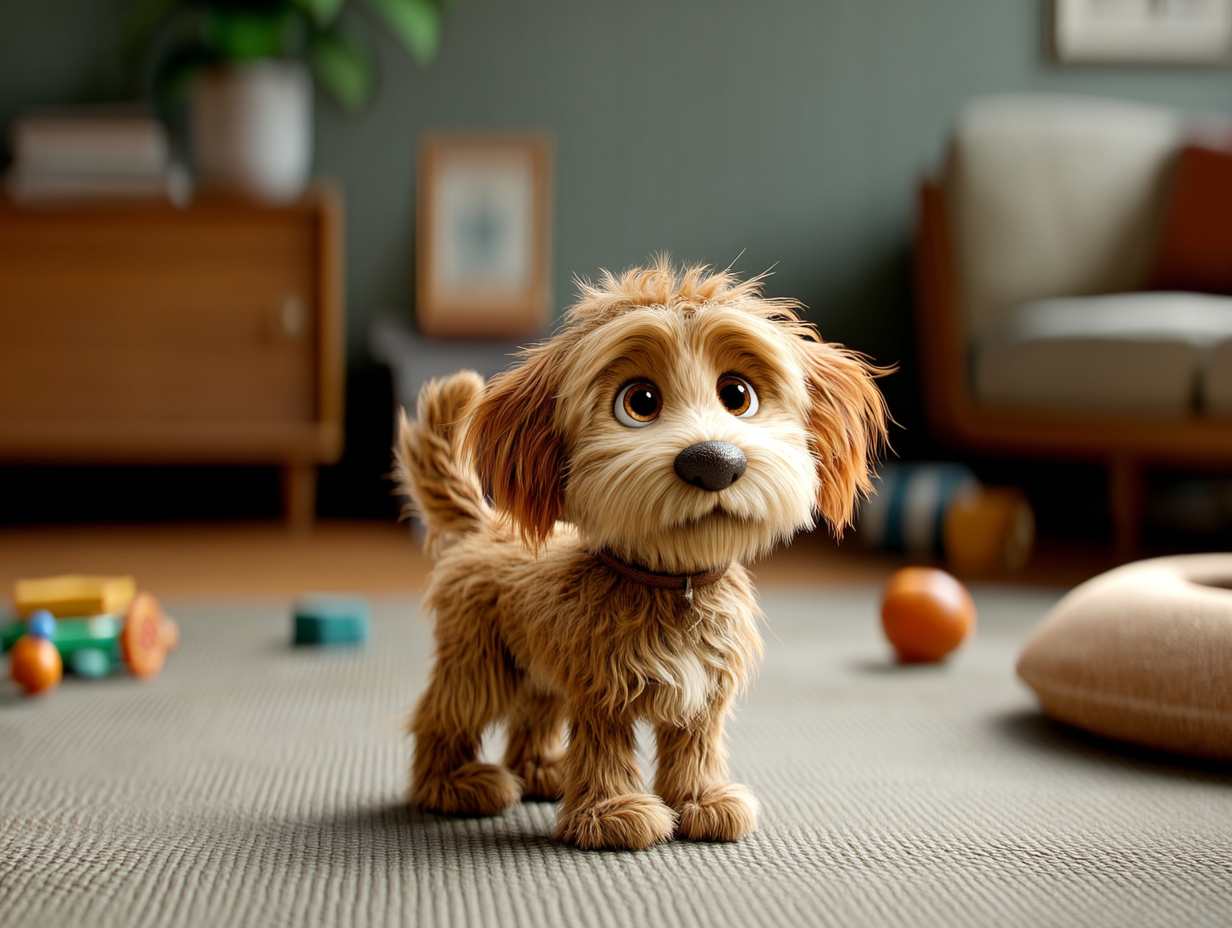
Moka's cushion is upside down. The toys are scattered all over the floor. The rug is chewed up in one corner.
Moka runs towards her. He jumps on Zoé. He is so happy to see her again! He gives her lots of licks.
"Oh, Moka... what have you been doing while I was gone?" said Zoe, looking at the mess.
Mom said, "He didn't like being alone at all. We really need to help him get used to it little by little."
Zoé thought for a moment. "How can I help her?"
Mom has an idea. "We're going to try a few tricks together."
Every day, Zoé tells Moka that she always comes back. She leaves for just a few minutes, then she returns. Then she leaves for a little longer.
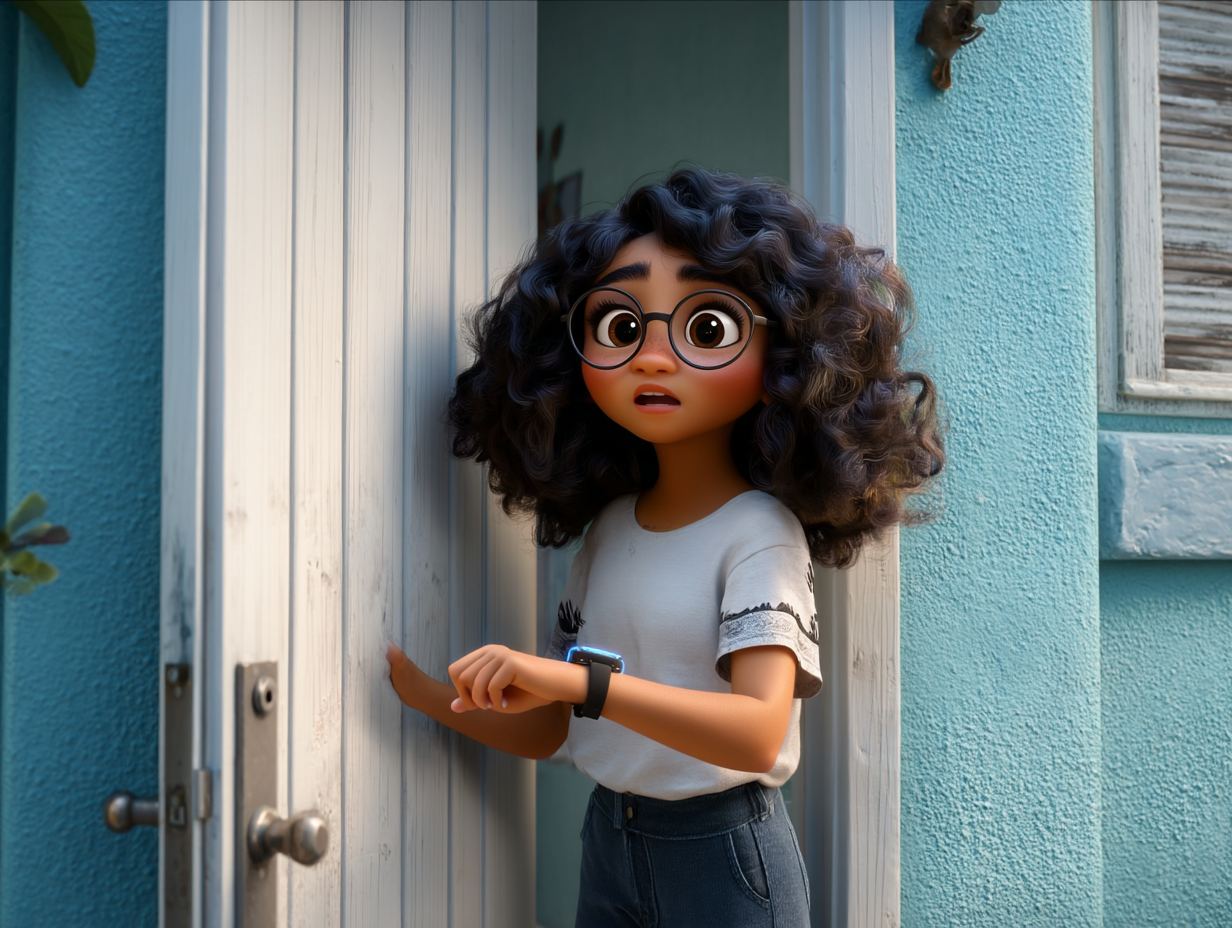
After several days of training, when Zoé comes home from school, surprise! The living room is tidy. Nothing is overturned. Nothing is damaged.
Moka calmly comes to see her. He gently wags his tail.
"Well done, Moka! You really understood that I always come back!" said Zoé, very proud.
But now Zoé notices another problem. There's Moka's hair everywhere in the house. On the carpet, on the sofa, everywhere!
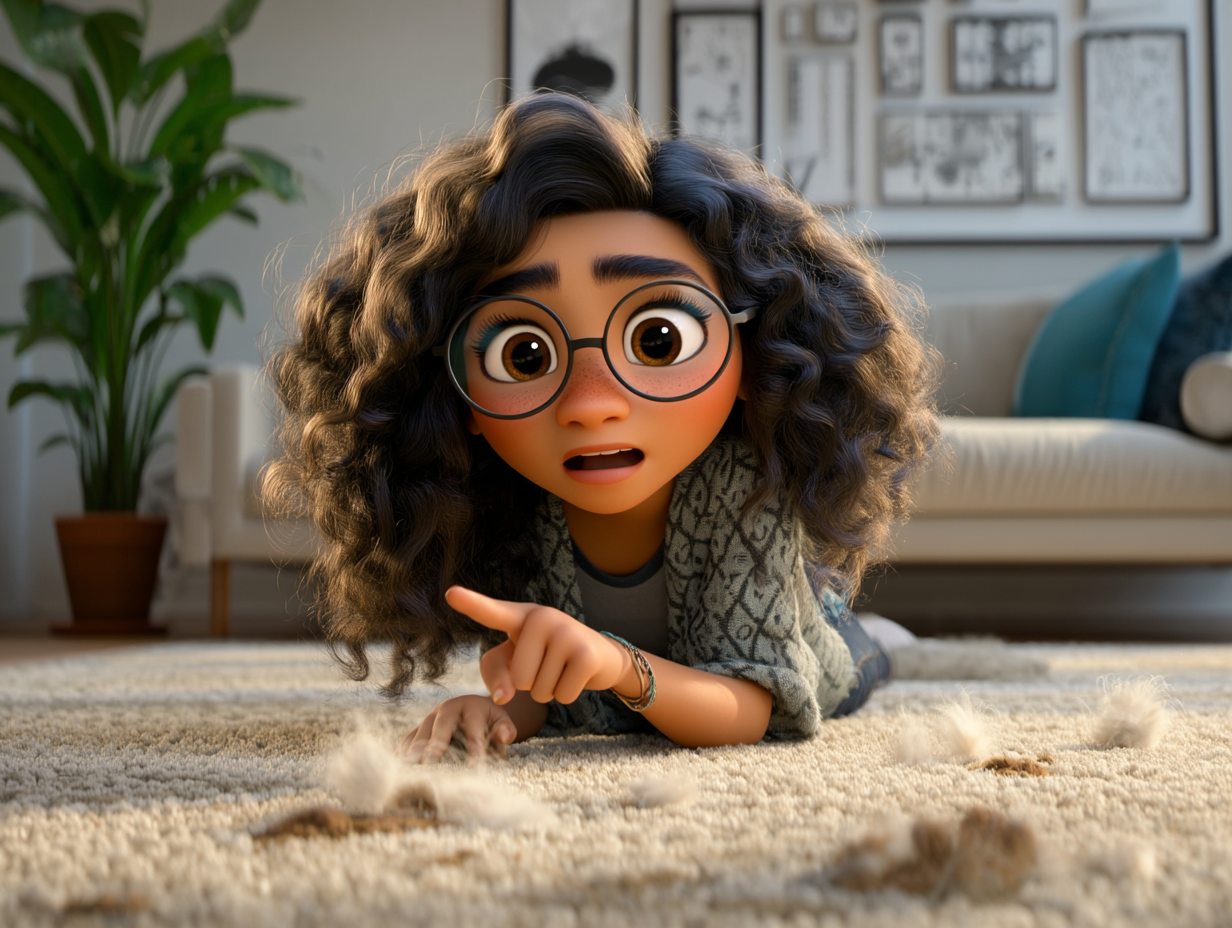
What will Zoé do to clean up all this hair?
But tomorrow is the first day of school. Zoé will be back at school all day.
"Moka, I'm going to school tomorrow. You'll be staying home all alone without me," said Zoé sadly.
Moka wags his tail happily. He doesn't understand what it means.
The next morning, Zoé puts her schoolbag on her back. Moka follows her everywhere in the house. When she opens the door to go out, he wants to go out with her too.
"No, Moka, you're staying here today!" said Zoé softly.
She closes the door. Behind it, she hears small, sad moans.
"He'll get used to it," said Mom. "It's normal at first."
At school, Zoé thinks about Moka all the time. Is he sleeping in his basket? Is he playing with his toys? Is he very bored?
When she finally gets home, she opens the door. Oh no! The living room is a complete mess!
Moka's cushion is upside down. The toys are scattered all over the floor. The rug is chewed up in one corner.
Moka runs towards her. He jumps on Zoé. He is so happy to see her again! He gives her lots of licks.
"Oh, Moka... what have you been doing while I was gone?" said Zoe, looking at the mess.
Mom said, "He didn't like being alone at all. We really need to help him get used to it little by little."
Zoé thought for a moment. "How can I help her?"
Mom has an idea. "We're going to try a few tricks together."
Every day, Zoé tells Moka that she always comes back. She leaves for just a few minutes, then she returns. Then she leaves for a little longer.
After several days of training, when Zoé comes home from school, surprise! The living room is tidy. Nothing is overturned. Nothing is damaged.
Moka calmly comes to see her. He gently wags his tail.
"Well done, Moka! You really understood that I always come back!" said Zoé, very proud.
But now Zoé notices another problem. There's Moka's hair everywhere in the house. On the carpet, on the sofa, everywhere!
What will Zoé do to clean up all this hair?
Zoé loves spending time with Moka. Since her mom officially decided to keep him, they've had an absolutely wonderful summer: endless games in the sunny garden where Moka discovered the joy of chasing a ball, long exploratory walks on the park trails where they met other dogs, and moments of pure tenderness on the sofa, Moka curled up against her. They were never apart, not for a single day. Their bond grew stronger day by day.
But today, something is changing in the atmosphere of the house.
"Tomorrow is the first day of school," sighs Zoé, stroking Moka's soft fur for a long time, as she sits cross-legged on the living room rug.
The little dog happily wags its tail, completely unaware of the meaning of these words.
"That means I'll be going back to school every day, and you'll have to stay home without me for long hours," she explains sadly.
Moka stopped wagging his tail for a moment. He raised his large, expressive hazel eyes to her, then gently rested his head on her lap, as if he could sense the emotion in her voice. Zoé felt her heart swell.
"But don't worry, my dear," she murmured, embracing him affectionately. "I will always come back. Always."
The next morning arrives far too quickly. Zoé puts on her school clothes, meticulously prepares her schoolbag with her new notebooks, and gets ready to leave. Moka, intuitively sensing that something unusual is about to happen, nervously circles her, follows her into every room like a worried shadow, and when she finally opens the front door, he desperately tries to follow her outside.
"No, Moka, not today. You're staying here," she said in a soft but firm voice, her heart broken.
She closes the door as gently as possible. But behind the wooden door, she distinctly hears small, plaintive moans that pierce her heart.
"He'll get used to it gradually," his mother reassured him, placing a comforting hand on his shoulder. "It's normal for him to be upset at first."
All day long, during math class, during recess, during lunch in the cafeteria, Zoé constantly thinks about Moka. Questions keep running through her mind: Is he sleeping peacefully? Is he playing quietly with his toys? Or is he terribly bored? She has trouble concentrating on what the teacher is saying.
When she finally returns home in the late afternoon, her heart pounding, and opens the front door with her key, she discovers a totally unexpected sight that leaves her speechless.
The living room is in complete disarray!
Moka's cushion is upside down and lying across the room. Her toys are scattered absolutely everywhere: the squeaky ball under the coffee table, the tug-of-war behind the armchair, the rubber bone in the middle of the hallway. And worst of all, an entire corner of the beautiful living room rug looks like it's been thoroughly chewed.
Before she could fully process this chaotic scene, Moka sprang from behind the sofa and came towards her like a rocket, his tail frantically whipping the air. He literally jumped on her and proceeded to shower her face and hands with thousands of enthusiastic licks.
"Oh, Moka... what have you been doing while I wasn't here?" she wondered, torn between amusement and concern.
Her mother observes the scene with her usual calm, displayingan understanding smile.
"He clearly didn't like being alone for the first time," she explains gently. "It's a classic reaction. We need to help him gradually get used to your absences."
Zoé thought intensely. She couldn't bear the thought of Moka being sad when she wasn't there.
"How can I help him in a practical way?" she asks seriously.
"We're going to try several gradual approaches."
The next morning, Zoé tries a first solution: before leaving for school, she gives Moka a special toy filled with kibble.

"With this, you'll have something interesting to do while I'm gone!"
Moka sniffs the toy with interest. Zoé leaves reassured.
But when she comes home in the afternoon... the cushion is turned over again, and worse, one of her slippers has disappeared! She finds it under the sofa, damp and chewed.
"That's not enough," she sighs, slightly discouraged.
So, on her mother's advice, she tries a new approach: she starts by leaving Moka alone for only a few minutes during the weekend, then quickly returns and warmly praises him.
"You see, I always come back!"
Little by little, methodically, she increases the duration. Five minutes, then ten, then twenty, then an hour. Each time she returns and Moka has remained calm, she rewards him.
Moka is beginning to understand: Zoé leaves, but she always comes back.
After a few days, Zoé comes home from school and discovers a lovely surprise:
The living room is untouched. No overturned cushions, no scattered toys, no damage. Moka calmly greets her, her tail wagging gently.
"Well done, Moka! You understand that I always come back!" she exclaims, hugging him tightly.
She is proud of him for his progress, and proud of herself for having been able to support him patiently.
The days go by, establishing a new routine. Now that she's spending more time at home after school with Moka, Zoé is starting to notice something: brown and white hairs are scattered all over the house. On the living room rug, on the sofa cushions, even on her favorite blanket!
One afternoon, her mother entered the living room and looked around.
"Zoé, look at the rug," she said, pointing to the floor.
Zoé lowers her eyes: the rug is covered in hair!
How will she handle this new challenge?
But today, something is changing in the atmosphere of the house.
"Tomorrow is the first day of school," sighs Zoé, stroking Moka's soft fur for a long time, as she sits cross-legged on the living room rug.
The little dog happily wags its tail, completely unaware of the meaning of these words.
"That means I'll be going back to school every day, and you'll have to stay home without me for long hours," she explains sadly.
Moka stopped wagging his tail for a moment. He raised his large, expressive hazel eyes to her, then gently rested his head on her lap, as if he could sense the emotion in her voice. Zoé felt her heart swell.
"But don't worry, my dear," she murmured, embracing him affectionately. "I will always come back. Always."
The next morning arrives far too quickly. Zoé puts on her school clothes, meticulously prepares her schoolbag with her new notebooks, and gets ready to leave. Moka, intuitively sensing that something unusual is about to happen, nervously circles her, follows her into every room like a worried shadow, and when she finally opens the front door, he desperately tries to follow her outside.
"No, Moka, not today. You're staying here," she said in a soft but firm voice, her heart broken.
She closes the door as gently as possible. But behind the wooden door, she distinctly hears small, plaintive moans that pierce her heart.
"He'll get used to it gradually," his mother reassured him, placing a comforting hand on his shoulder. "It's normal for him to be upset at first."
All day long, during math class, during recess, during lunch in the cafeteria, Zoé constantly thinks about Moka. Questions keep running through her mind: Is he sleeping peacefully? Is he playing quietly with his toys? Or is he terribly bored? She has trouble concentrating on what the teacher is saying.
When she finally returns home in the late afternoon, her heart pounding, and opens the front door with her key, she discovers a totally unexpected sight that leaves her speechless.
The living room is in complete disarray!
Moka's cushion is upside down and lying across the room. Her toys are scattered absolutely everywhere: the squeaky ball under the coffee table, the tug-of-war behind the armchair, the rubber bone in the middle of the hallway. And worst of all, an entire corner of the beautiful living room rug looks like it's been thoroughly chewed.
Before she could fully process this chaotic scene, Moka sprang from behind the sofa and came towards her like a rocket, his tail frantically whipping the air. He literally jumped on her and proceeded to shower her face and hands with thousands of enthusiastic licks.
"Oh, Moka... what have you been doing while I wasn't here?" she wondered, torn between amusement and concern.
Her mother observes the scene with her usual calm, displayingan understanding smile.
"He clearly didn't like being alone for the first time," she explains gently. "It's a classic reaction. We need to help him gradually get used to your absences."
Zoé thought intensely. She couldn't bear the thought of Moka being sad when she wasn't there.
"How can I help him in a practical way?" she asks seriously.
"We're going to try several gradual approaches."
The next morning, Zoé tries a first solution: before leaving for school, she gives Moka a special toy filled with kibble.
"With this, you'll have something interesting to do while I'm gone!"
Moka sniffs the toy with interest. Zoé leaves reassured.
But when she comes home in the afternoon... the cushion is turned over again, and worse, one of her slippers has disappeared! She finds it under the sofa, damp and chewed.
"That's not enough," she sighs, slightly discouraged.
So, on her mother's advice, she tries a new approach: she starts by leaving Moka alone for only a few minutes during the weekend, then quickly returns and warmly praises him.
"You see, I always come back!"
Little by little, methodically, she increases the duration. Five minutes, then ten, then twenty, then an hour. Each time she returns and Moka has remained calm, she rewards him.
Moka is beginning to understand: Zoé leaves, but she always comes back.
After a few days, Zoé comes home from school and discovers a lovely surprise:
The living room is untouched. No overturned cushions, no scattered toys, no damage. Moka calmly greets her, her tail wagging gently.
"Well done, Moka! You understand that I always come back!" she exclaims, hugging him tightly.
She is proud of him for his progress, and proud of herself for having been able to support him patiently.
The days go by, establishing a new routine. Now that she's spending more time at home after school with Moka, Zoé is starting to notice something: brown and white hairs are scattered all over the house. On the living room rug, on the sofa cushions, even on her favorite blanket!
One afternoon, her mother entered the living room and looked around.
"Zoé, look at the rug," she said, pointing to the floor.
Zoé lowers her eyes: the rug is covered in hair!
How will she handle this new challenge?
Zoé loves spending time with Moka. Since her mom officially decided to keep him, they've had an absolutely wonderful summer, like something out of a dream: endless games in the sunny garden where Moka discovers the joy of chasing a ball, long exploratory walks on the park paths where they meet other dogs, and moments of pure tenderness on the sofa, Moka curled up against her while she reads or watches television. They've never been apart, not for a single day. Their bond has grown stronger day by day, reinforcing that special connection between a child and their first pet.
But today, as the August sun begins to set a little earlier each evening, something changes in the atmosphere of the house. A kind of melancholy settles in.
"Tomorrow is the first day of school," sighs Zoé, stroking Moka's soft fur for a long time, as she sits cross-legged on the living room rug.
The little dog happily wags its tail, totally unaware of the meaning of these words, of what they imply for their daily routine.
"That means I'll be going back to school every day, and you'll have to stay home without me for long hours," she explains in a voice tinged with sadness, as if she were speaking to someone who could truly understand the implications of her words.
Moka stopped wagging his tail for a moment. He raised his large, expressive hazel eyes to her, then gently rested his head on her lap, as if he could vaguely sense the emotion in her voice. Zoé felt her heart clench painfully in her chest. The thought of leaving him alone all day was almost unbearable.
"But don't worry, my dear," she murmured, embracing him affectionately. "I will always come back. Always. I promise you."
The next morning arrives far too quickly. Zoé puts on her school clothes, meticulously prepares her schoolbag with her new notebooks and pens, and gets ready to leave for her first day back at school. Moka, intuitively sensing that something unusual is about to happen, nervously circles her, follows her into every room like a worried shadow, and when she finally opens the front door, he desperately tries to follow her outside, as he usually does for their morning walks.
"No, Moka, not today. You're staying here," she said in a soft but firm voice, her heart broken.
She closes the door as gently as possible, trying to minimize the shock of the separation. But behind the wooden door, she distinctly hears small, plaintive moans that pierce her heart.
"He'll get used to it gradually," his mother reassured him, placing a comforting hand on his shoulder. "It's perfectly normal for him to be unsettled at first. Dogs are social animals that don't like being alone. But he'll learn that you always come back."
All day long, during math class, during recess in the playground, during lunch in the cafeteria, Zoé constantly thinks about Moka. Questions keep looping in her mind: Is he sleeping peacefully in his basket? Is he playing quietly with his toys like when she's there? Or is he terribly bored, wondering where she's gone, why she abandoned him? She's having trouble concentrating on what the teacher is saying.
When she finally returns home in the late afternoon, her heart pounding with impatience and a vague apprehension, and opens the front door with her key, she discovers a spectacletotally unexpected, which leaves her speechless.
The living room is in complete disarray, as if a mini-tornado had passed through while she was away!
Moka's comfy cushion, normally so comfortably nestled in her basket, is completely overturned and lying across the room. Her brand-new toys are scattered absolutely everywhere: the squeaky ball under the coffee table, the tug-of-war behind the armchair, the rubber bone in the middle of the hallway. And worst of all, the detail that makes her wince: an entire corner of the beautiful living room rug looks like it's been thoroughly chewed, leaving visible teeth marks and loose threads.
Before she could fully process this chaotic scene, Moka sprang from behind the sofa and came towards her like a rocket, his tail whipping the air with absolute frenzy. He literally jumped on her, placing his front paws on her legs, and proceeded to shower her face and hands with thousands of enthusiastic licks, as if he hadn't seen her for weeks rather than just a few hours.
"Oh, Moka... what have you been doing while I wasn't here?" she wondered, torn between amusement at this exuberant reunion and concern about the surrounding chaos.
Her mother, who followed her inside and observes the scene with her usual calm, displays an understanding and benevolent smile.
"He clearly didn't like being alone for the first time at all," she explains gently. "It's a classic separation anxiety reaction. We absolutely must help him gradually get used to your daily absences."
Zoé thought deeply, frowning. She couldn't bear the thought of Moka being sad, stressed, or unhappy when she wasn't there. It was her responsibility to find a solution.
"How can I help him in a practical way?" she asks seriously.
"We're going to try several gradual approaches. Training a dog also means managing these kinds of situations."
The next morning, Zoé conscientiously tested a first solution she found on a specialized website: before leaving for school, she gave Moka a special toy, a Kong filled with kibble and cheese, designed to keep her occupied for a long time.
"With this, you'll have something interesting to do while I'm gone! You'll be kept busy!"
Moka sniffs the toy with interest and starts licking it. Zoé leaves reassured.
But when she comes home in the afternoon... the cushion is turned over again, several toys are lying around, and worse still, one of her slippers has completely disappeared! She finally finds it under the sofa, damp and chewed.
"Clearly, that's not enough," she sighs, slightly discouraged but determined not to give up.
So, on the wise advice of her mother who consulted a veterinary behaviorist colleague, she tries a new, more gradual approach: she starts by leaving Moka alone for only a few minutes during the weekend, then quickly returns and warmly congratulates him with caresses and treats.
"You see, I always come back! I never abandon you!"
Little by little, methodically, she gradually lengthened the duration of her absences. Five minutes, then ten, then twenty, then an hour. Each time she returned and Moka had remained calm, she rewarded him lavishly.
Moka is slowly but surely beginning to understand the pattern: Zoé leaves, but she always comes back. It's not aAbandonment. It's temporary. Predictable.
After a few days of patient and repeated training, Zoé comes home from school and discovers a wonderful surprise that makes her heart leap with joy:
The living room is perfectly untouched. No overturned cushions, no scattered toys, no new damage. Everything is exactly as she left it this morning.
Moka comes to greet her, but this time calmly, with a gently wagging tail and sparkling yet serene eyes. He no longer jumps frantically on her. He seems relaxed, confident.
"Well done, Moka! You really understand that I always come back! You are an extraordinary dog!" she exclaims, dropping to her knees to hug him tightly.
She hugs him tightly with immense pride, proud of him for his remarkable progress, and proud of herself for having patiently guided him through this difficult learning process.
She now knows, with profound certainty, that overcoming this separation anxiety was a great challenge for Moka. But with time, consistency, patience, and a great deal of love, they managed to overcome this obstacle together. A new chapter in their life together.
The days go by, establishing a comfortable new routine. Now that she's spending more time at home after school with Moka, enjoying every moment together, Zoé is starting to notice something she hadn't really identified during the summer: brown and white hairs are scattered all over the house. On the living room rug where Moka likes to lie down, on the sofa cushions where he sometimes takes a nap, even on his own favorite blanket that he leaves lying around in the living room!
One afternoon, while she was doing her homework at the living room table, her mother came in and looked around with a slightly annoyed expression.
"Zoé, look at the rug," she said, pointing to the floor.
Zoé lowers her eyes and notices for the first time, truly consciously, the extent of the problem: the rug is literally covered in hair!
How will she handle this new challenge of living with a dog?
But today, as the August sun begins to set a little earlier each evening, something changes in the atmosphere of the house. A kind of melancholy settles in.
"Tomorrow is the first day of school," sighs Zoé, stroking Moka's soft fur for a long time, as she sits cross-legged on the living room rug.
The little dog happily wags its tail, totally unaware of the meaning of these words, of what they imply for their daily routine.
"That means I'll be going back to school every day, and you'll have to stay home without me for long hours," she explains in a voice tinged with sadness, as if she were speaking to someone who could truly understand the implications of her words.
Moka stopped wagging his tail for a moment. He raised his large, expressive hazel eyes to her, then gently rested his head on her lap, as if he could vaguely sense the emotion in her voice. Zoé felt her heart clench painfully in her chest. The thought of leaving him alone all day was almost unbearable.
"But don't worry, my dear," she murmured, embracing him affectionately. "I will always come back. Always. I promise you."
The next morning arrives far too quickly. Zoé puts on her school clothes, meticulously prepares her schoolbag with her new notebooks and pens, and gets ready to leave for her first day back at school. Moka, intuitively sensing that something unusual is about to happen, nervously circles her, follows her into every room like a worried shadow, and when she finally opens the front door, he desperately tries to follow her outside, as he usually does for their morning walks.
"No, Moka, not today. You're staying here," she said in a soft but firm voice, her heart broken.
She closes the door as gently as possible, trying to minimize the shock of the separation. But behind the wooden door, she distinctly hears small, plaintive moans that pierce her heart.
"He'll get used to it gradually," his mother reassured him, placing a comforting hand on his shoulder. "It's perfectly normal for him to be unsettled at first. Dogs are social animals that don't like being alone. But he'll learn that you always come back."
All day long, during math class, during recess in the playground, during lunch in the cafeteria, Zoé constantly thinks about Moka. Questions keep looping in her mind: Is he sleeping peacefully in his basket? Is he playing quietly with his toys like when she's there? Or is he terribly bored, wondering where she's gone, why she abandoned him? She's having trouble concentrating on what the teacher is saying.
When she finally returns home in the late afternoon, her heart pounding with impatience and a vague apprehension, and opens the front door with her key, she discovers a spectacletotally unexpected, which leaves her speechless.
The living room is in complete disarray, as if a mini-tornado had passed through while she was away!
Moka's comfy cushion, normally so comfortably nestled in her basket, is completely overturned and lying across the room. Her brand-new toys are scattered absolutely everywhere: the squeaky ball under the coffee table, the tug-of-war behind the armchair, the rubber bone in the middle of the hallway. And worst of all, the detail that makes her wince: an entire corner of the beautiful living room rug looks like it's been thoroughly chewed, leaving visible teeth marks and loose threads.
Before she could fully process this chaotic scene, Moka sprang from behind the sofa and came towards her like a rocket, his tail whipping the air with absolute frenzy. He literally jumped on her, placing his front paws on her legs, and proceeded to shower her face and hands with thousands of enthusiastic licks, as if he hadn't seen her for weeks rather than just a few hours.
"Oh, Moka... what have you been doing while I wasn't here?" she wondered, torn between amusement at this exuberant reunion and concern about the surrounding chaos.
Her mother, who followed her inside and observes the scene with her usual calm, displays an understanding and benevolent smile.
"He clearly didn't like being alone for the first time at all," she explains gently. "It's a classic separation anxiety reaction. We absolutely must help him gradually get used to your daily absences."
Zoé thought deeply, frowning. She couldn't bear the thought of Moka being sad, stressed, or unhappy when she wasn't there. It was her responsibility to find a solution.
"How can I help him in a practical way?" she asks seriously.
"We're going to try several gradual approaches. Training a dog also means managing these kinds of situations."
The next morning, Zoé conscientiously tested a first solution she found on a specialized website: before leaving for school, she gave Moka a special toy, a Kong filled with kibble and cheese, designed to keep her occupied for a long time.
"With this, you'll have something interesting to do while I'm gone! You'll be kept busy!"
Moka sniffs the toy with interest and starts licking it. Zoé leaves reassured.
But when she comes home in the afternoon... the cushion is turned over again, several toys are lying around, and worse still, one of her slippers has completely disappeared! She finally finds it under the sofa, damp and chewed.
"Clearly, that's not enough," she sighs, slightly discouraged but determined not to give up.
So, on the wise advice of her mother who consulted a veterinary behaviorist colleague, she tries a new, more gradual approach: she starts by leaving Moka alone for only a few minutes during the weekend, then quickly returns and warmly congratulates him with caresses and treats.
"You see, I always come back! I never abandon you!"
Little by little, methodically, she gradually lengthened the duration of her absences. Five minutes, then ten, then twenty, then an hour. Each time she returned and Moka had remained calm, she rewarded him lavishly.
Moka is slowly but surely beginning to understand the pattern: Zoé leaves, but she always comes back. It's not aAbandonment. It's temporary. Predictable.
After a few days of patient and repeated training, Zoé comes home from school and discovers a wonderful surprise that makes her heart leap with joy:
The living room is perfectly untouched. No overturned cushions, no scattered toys, no new damage. Everything is exactly as she left it this morning.
Moka comes to greet her, but this time calmly, with a gently wagging tail and sparkling yet serene eyes. He no longer jumps frantically on her. He seems relaxed, confident.
"Well done, Moka! You really understand that I always come back! You are an extraordinary dog!" she exclaims, dropping to her knees to hug him tightly.
She hugs him tightly with immense pride, proud of him for his remarkable progress, and proud of herself for having patiently guided him through this difficult learning process.
She now knows, with profound certainty, that overcoming this separation anxiety was a great challenge for Moka. But with time, consistency, patience, and a great deal of love, they managed to overcome this obstacle together. A new chapter in their life together.
The days go by, establishing a comfortable new routine. Now that she's spending more time at home after school with Moka, enjoying every moment together, Zoé is starting to notice something she hadn't really identified during the summer: brown and white hairs are scattered all over the house. On the living room rug where Moka likes to lie down, on the sofa cushions where he sometimes takes a nap, even on his own favorite blanket that he leaves lying around in the living room!
One afternoon, while she was doing her homework at the living room table, her mother came in and looked around with a slightly annoyed expression.
"Zoé, look at the rug," she said, pointing to the floor.
Zoé lowers her eyes and notices for the first time, truly consciously, the extent of the problem: the rug is literally covered in hair!
How will she handle this new challenge of living with a dog?